Lyme Disease
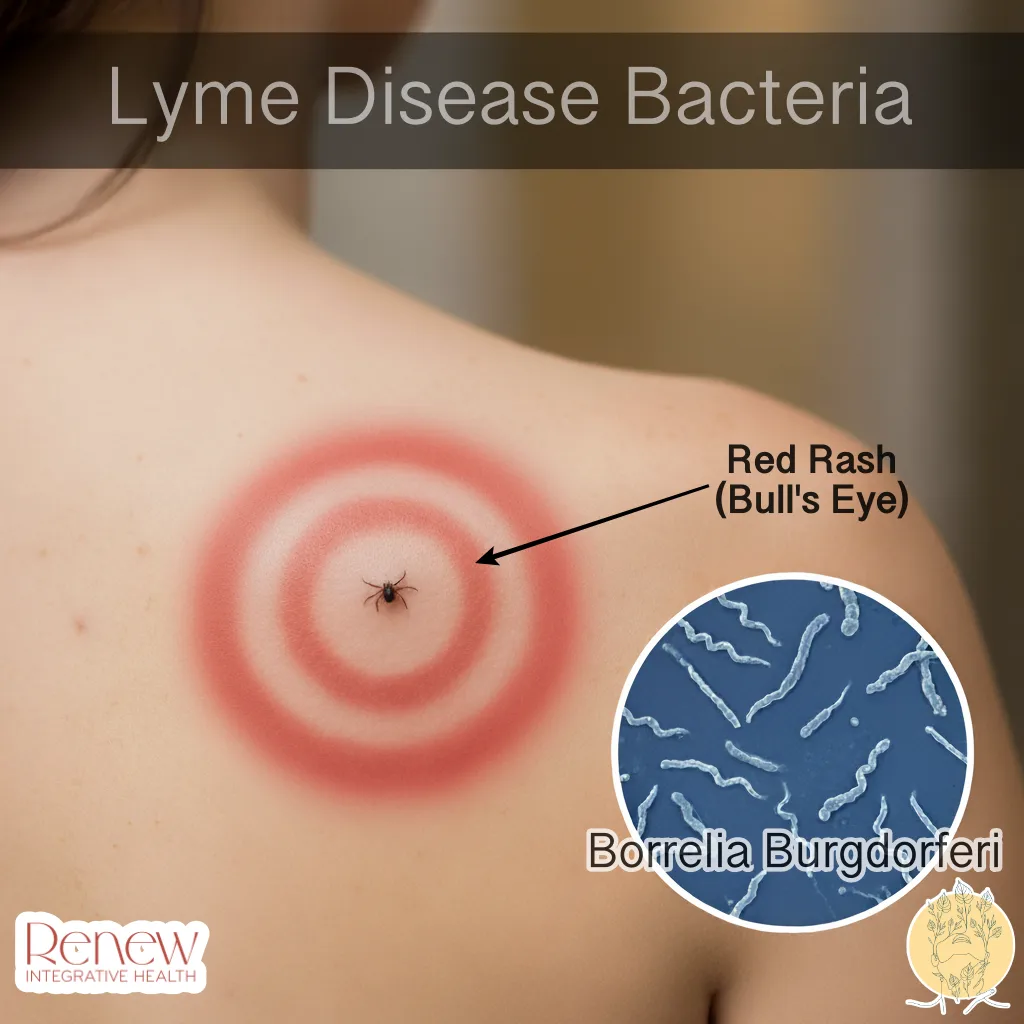
Lyme disease is a bacterial infection transmitted through infected blacklegged tick bites, affecting over 476,000 Americans annually. The disease is caused by the bacteria Borrelia burgdorferi and progresses through three stages if untreated: early localized (3-30 days), early disseminated (days to weeks), and late disseminated (months to years). The hallmark early symptom is an expanding “bull’s-eye” rash (erythema migrans) appearing in 70-80% of cases, accompanied by flu-like symptoms including fever, fatigue, and joint pain. Early-stage Lyme disease is highly treatable with 2-4 weeks of oral antibiotics like doxycycline or amoxicillin, with cure rates exceeding 90%. Most insurance plans cover Lyme disease testing and antibiotic treatment. If left untreated, the infection can spread to joints, heart, and nervous system, causing arthritis, facial palsy, and cognitive issues. Prevention includes using insect repellent, wearing protective clothing in wooded areas, and performing tick checks after outdoor activities.