


PMS Symptoms and Treatment: Causes, PMDD and What Helps
Premenstrual syndrome (PMS) is a combination of physical and emotional symptoms that start after ovulation, in the week or two before a period, and ease within a few days after bleeding begins. Over 90% of women get some premenstrual symptoms, such as bloating, breast tenderness, headaches, fatigue, irritability and mood swings. The exact cause is not known, but falling estrogen and progesterone after ovulation likely play a role. Fewer than 5% of women of childbearing age have a severe form called premenstrual dysphoric disorder (PMDD). Regular exercise, healthy eating, good sleep, calcium and, for some women, birth control pills or antidepressants called SSRIs can help.
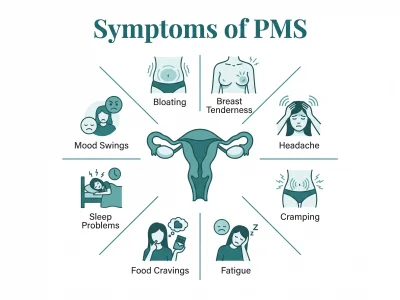
What Is PMS (Premenstrual Syndrome)?
PMS is a combination of physical and emotional symptoms that many women get after ovulation and before their period starts. When these symptoms come back month after month and affect your normal life, they are known as premenstrual syndrome.
Over 90% of women say they get some premenstrual symptoms, and as many as three in four have PMS symptoms at some point in their lives. For most women the symptoms are mild, but for some they are severe enough to miss work or school. On average, women in their 30s are most likely to have PMS.
When Does PMS Start?
PMS starts after ovulation, about a week or two before your period. In the days after ovulation, estrogen and progesterone levels begin falling sharply if you are not pregnant, and that drop is thought to set off PMS.
How Long Does PMS Last?
PMS symptoms usually go away within a few days after your period starts, as hormone levels begin rising again. PMS stops for good when you no longer get a period, such as after menopause. After pregnancy, PMS can come back, sometimes with different symptoms than before.
Andrea Dean, CRNP, talks about PMS symptoms, PMDD and root cause treatment options in this YouTube Short.
PMS Symptoms
PMS symptoms are different for every woman, and they can change over your lifetime. You may have physical symptoms, emotional symptoms or both.
Physical Symptoms of PMS
- Swollen or tender breasts
- Bloating or a gassy feeling
- Cramping
- Headache or backache
- Constipation or diarrhea
- Swelling of the hands or feet and weight gain
- Skin problems
- Clumsiness
- Lower tolerance for noise or light
Emotional Symptoms of PMS
- Irritability, angry outbursts or crying spells
- Mood swings
- Tension or anxiety
- Depression or feelings of sadness
- Feeling tired
- Sleep problems, sleeping too much or too little
- Appetite changes or food cravings
- Trouble with concentration or memory
- Less interest in sex
PMS and Perimenopause
PMS symptoms may get worse in your late 30s or 40s as you approach menopause and enter the transition to menopause, called perimenopause. In those years, hormone levels go up and down in an unpredictable way, and women whose moods are sensitive to hormone changes may notice the same mood changes or worse ones. Read more on our menopause page.
What Causes PMS?
The exact cause of PMS is not known. Changes in hormone levels during the menstrual cycle likely play a role, and those changes seem to affect some women more than others. PMS may happen more often in women who have high levels of stress, a family history of depression or a personal history of depression or postpartum depression.
Health Problems That Overlap With PMS
About half of women seeking treatment for PMS also have another condition with similar symptoms. Depression and anxiety disorders are the most common, and with depression, symptoms are often present all month long and get worse before or during a period. Other conditions that can mimic or overlap with PMS include perimenopause, chronic fatigue syndrome, irritable bowel syndrome and thyroid disease. PMS can also make asthma, allergies, migraines and seizure disorders worse right before a period. That is why we look at your whole health history and not only your cycle. Learn more on our painful periods and hypothyroidism vs hyperthyroidism pages.
PMS vs PMDD
Premenstrual dysphoric disorder (PMDD) is a condition similar to PMS that also happens in the week or two before your period, but it causes much more severe symptoms, including severe depression, irritability and tension. PMDD affects up to 5% of women of childbearing age, and many women with PMDD also have anxiety or depression.
Symptoms of PMDD can include lasting irritability or anger that affects other people, feelings of sadness or despair, panic attacks, feeling out of control, trouble focusing, binge eating and physical symptoms such as cramps, bloating and joint or muscle pain. A brain chemical called serotonin may play a role, since serotonin levels change throughout the menstrual cycle and some women are more sensitive to those changes. Diagnosis takes five or more PMDD symptoms, including at least one mood-related symptom, tracked on a symptom calendar.
If you are thinking about hurting yourself or others, call 911 right away, or call or text 988 to reach the Suicide and Crisis Lifeline.
PMDD Treatment
The FDA has approved three SSRIs to treat PMDD: sertraline, fluoxetine and paroxetine. The FDA has also approved a birth control pill containing drospirenone and ethinyl estradiol to treat PMDD. Over-the-counter pain relievers can ease cramps, headaches and breast tenderness. Stress management, more physical activity and healthy eating with less salt and sugar may relieve some symptoms too.
PMS vs Pregnancy Symptoms
Early pregnancy and PMS can feel alike. Signs of early pregnancy can include tender, swollen breasts, fatigue, headaches and slight bleeding or spotting, and many women notice symptoms before they miss a period. The primary sign of pregnancy is a missed period. PMS symptoms, on the other hand, ease within a few days after your period starts. A pregnancy test measures a hormone called hCG, which can appear in blood and urine as early as 10 days after conception.
PMS Treatment
If your PMS symptoms are mild to moderate, changes in lifestyle or diet can often relieve them. If symptoms begin to interfere with your life, medical treatment is an option, and the right plan depends on how severe your symptoms are.
PMS Diet and Lifestyle Changes
- Get regular aerobic exercise, such as brisk walking, running, cycling or swimming, for at least 30 minutes most days of the week, all month long and not only when you have symptoms.
- Eat a diet rich in complex carbohydrates from whole grains, barley, brown rice, beans and lentils, which may reduce mood symptoms and food cravings.
- Add calcium-rich foods, like yogurt and leafy green vegetables.
- Cut back on fat, salt and sugar, and avoid caffeine and alcohol, especially in the two weeks before your period.
- Eat six small meals a day, or three slightly smaller meals plus light snacks, to keep your blood sugar steady.
- Aim for about eight hours of sleep and keep a regular sleep schedule, even on weekends.
- Find healthy ways to manage stress, such as breathing exercises, yoga, meditation or massage.
- Don’t smoke, since women who smoke report more and worse PMS symptoms.
Vitamins and Supplements for PMS
Taking 1,200 mg of calcium a day can help reduce the physical and mood symptoms of PMS. Vitamin B6 may help with moodiness, irritability, forgetfulness, bloating and anxiety. Results for magnesium are mixed, although it may help with bloating, breast tenderness, mood symptoms and menstrual migraines. A supplement with 1 to 2 grams of polyunsaturated fatty acids, such as omega-3s, may help reduce cramps and other symptoms.
Chasteberry has been studied for PMS symptoms such as breast pain or tenderness, in studies of low to moderate quality. Women taking hormonal birth control or menopause hormone therapy should not take chasteberry. Supplements are not regulated the way medicines are, and some can interact with your other medicines, so check with us before you start one.
Medicines for PMS
Over-the-counter pain relievers such as ibuprofen, naproxen and aspirin can ease cramps, headaches, backaches and breast tenderness, but long-term use of these anti-inflammatory medicines may cause stomach bleeding or ulcers. Hormonal birth control may help with physical symptoms, but it can make other symptoms better or worse, and you may need to try more than one type. SSRIs can relieve emotional symptoms when other treatments don’t help, and they can be taken for the two weeks before symptoms start or all month. Diuretics, or water pills, may reduce bloating and breast tenderness, and anti-anxiety medicine can be tried when anxiety is a major symptom.
Progesterone for PMS
There is little good evidence for treating PMS with progesterone as a general treatment. For that reason, we consider bioidentical progesterone only for women whose lab work and symptom pattern point to a hormone imbalance, during the second half of the cycle, with careful monitoring. It is not right for everyone.


How We Treat PMS at Renew
There is no single test for PMS. You probably have PMS if your symptoms happen in the five days before your period for at least three cycles in a row, end within four days after your period starts and keep you from some of your normal activities. That is why tracking matters: each day for two to three months, write down and rate your symptoms and the dates of your periods, on a calendar or in an app.
At Renew Integrative Health, we look for why your PMS is so strong. We test your hormones, check for nutrient deficiencies and address inflammation, then build a personalized plan. Depending on your results, it may include diet and lifestyle changes, supplements, prescription medicines, IV nutrient therapy or bioidentical progesterone.
How to Prepare for Your Appointment
Before your first visit, complete your medical history, diet log and current symptoms through our patient portal, along with the previous two years of medical testing. Bring your symptom calendar, a list of every medicine and supplement you take, and the dates of your last few periods. We offer in-person visits at our Newark, Delaware office and virtual consultations across the United States.
PMS FAQs
What Are the First Signs of PMS?
Common early signs of PMS include bloating, breast tenderness, headaches, food cravings, tiredness and mood changes in the week or two before your period. Tracking when they start each month helps confirm the pattern.
Can You Have PMS Symptoms but No Period?
If you have PMS-like symptoms but your period does not come, pregnancy is one possibility, so take a pregnancy test. Missed periods can also come from birth control pills, polycystic ovary syndrome, diabetes, eating disorders and certain medicines, so see your provider to find the cause.
Can PMS Cause Back Pain?
Yes. Headache or backache is a common physical symptom of PMS, and over-the-counter pain relievers such as ibuprofen or naproxen may help.
Does Birth Control Help PMS?
Hormonal birth control may help with the physical symptoms of PMS, but not every type relieves mood symptoms, and some can make symptoms worse. One birth control pill, containing drospirenone and ethinyl estradiol, is FDA-approved to treat PMDD.
Is Magnesium Good for PMS?
Results for magnesium are mixed. It may help with bloating, breast tenderness, mood symptoms and menstrual migraines. Talk with us before taking it, especially with other medicines.
When Should I See a Provider for PMS?
Make an appointment if PMS does not get better with self-care, or if your symptoms are so severe that they limit your ability to function. If you are thinking about hurting yourself or others, call 911 or call or text 988 right away.
Where Can I Get PMS Treatment Near Me?
Looking for PMS treatment near Newark, Delaware, or a virtual visit from anywhere in the United States? Our holistic medicine practitioner, Andrea Dean, CRNP, reviews your symptoms, labs and history and builds a plan around you. Learn about other conditions we treat.
Looking for PMS treatment in Newark, Delaware, or a virtual visit from anywhere in the United States? Our nurse practitioner can review your symptoms, cycle and lab work with you. Book your consultation below.