


Painful Periods and Dysmenorrhea: Causes, Related Disorders, and Functional Treatment
Dysmenorrhea is the medical term for painful periods, the cramping lower abdominal pain that arrives before or during menstruation. Primary dysmenorrhea is driven by prostaglandins and inflammation with no underlying disease. Secondary dysmenorrhea is caused by a condition such as endometriosis, adenomyosis or uterine fibroids, and it often brings heavy period bleeding or pain outside your period. Most menstrual cramps ease with anti-inflammatory support, heat and targeted nutrition, yet severe or worsening pain is a signal worth investigating. A functional approach looks past symptom control to the hormonal and inflammatory root causes, including how well your body clears estrogen, so relief lasts beyond a single cycle.
What Is Dysmenorrhea?
Dysmenorrhea is the medical term for painful periods, the cramping lower abdominal pain that shows up before or during your period. If you have ever searched what is dysmenorrhea while doubled over with painful menstrual cramps, the short version is that your uterus is contracting hard to shed its lining, and for some women those contractions cross the line from a dull ache into pain that derails the whole day.
Primary vs Secondary Dysmenorrhea
The distinction matters more than most people realize. Primary dysmenorrhea is period pain with no underlying disease, driven by inflammatory messengers called prostaglandins, and it usually begins in the teen years. Secondary dysmenorrhea is pain caused by an underlying condition such as endometriosis, adenomyosis or fibroids, and it tends to start later in life or steadily worsen over time. Thyroid problems belong on that list too, because an underactive thyroid and Hashimoto’s can make periods heavier and more painful. Knowing which one you are dealing with changes everything about how it should be treated.
Andrea Dean, CRNP explains what causes painful periods and why the root cause matters more than the monthly fix.
How Menstrual Pain Happens
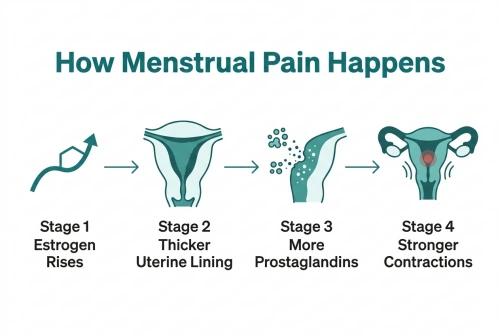
Understanding why periods hurt is the first step toward making them hurt less. Menstrual cramps are not random. They follow a clear biological chain, and every link in that chain is something you can influence.
Prostaglandins and Inflammation
Each month your uterine lining produces prostaglandins, hormone-like compounds that trigger the contractions that shed the lining. The more prostaglandins you make, the harder your uterus squeezes and the more intense the period pain. Prostaglandins also drive inflammation, which is why cramps so often arrive with nausea, loose stools and that all-over achy feeling. It is also why anti-inflammatory strategies, from food to targeted supplements, can blunt the pain at its source rather than just masking it.
The Estrogen Connection
Here is the part most explanations skip. Estrogen fuels the growth of your uterine lining, so when estrogen runs high relative to progesterone you build a thicker lining that produces more prostaglandins. More estrogen, more prostaglandins, more pain. How well your body clears estrogen through the gut and liver becomes a direct lever on how much your period hurts, and it is exactly where a functional approach goes to work.
Symptoms of Painful Periods and When They Signal Something More
Not all period pain is the same, and learning to read yours is how you catch a problem early. Typical menstrual cramps are uncomfortable but predictable, while certain symptoms are a signal worth acting on.
Common Menstrual Pain Symptoms
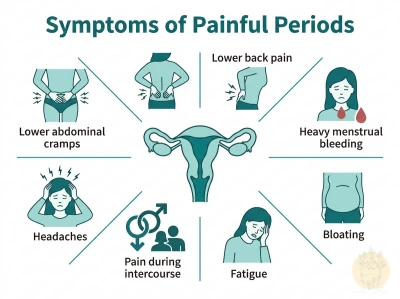
Ordinary period pain is uncomfortable but predictable. The most common symptoms of typical menstrual cramps include:
- A throbbing or cramping ache low in the abdomen
- Pain that spreads to the lower back and thighs
- Nausea and loose stools
- Headaches and fatigue
- Bloating in the day or two around bleeding
- Pain that eases within two to three days and responds to heat
Warning Signs and Severe Symptoms
Some symptoms are your body waving a flag. These point toward secondary dysmenorrhea and deserve a proper workup:
- Severe or extreme period pain that keeps you home from work or school
- Pain that gets worse cycle after cycle
- Cramps but no period
- Pain during sex
- Unusually heavy bleeding or large clots
- Pain you cannot control with over the counter measures
Root Causes: A Functional Medicine Perspective
Conventional care tends to stop at high prostaglandins and a painkiller. A functional approach asks the next question. Why are they high in the first place. The answer usually traces back to a few root drivers you can actually change.
Estrogen Excess and Poor Estrogen Clearance
When estrogen runs high relative to progesterone, your uterine lining grows thicker and produces more prostaglandins, which means more pain. Your body is supposed to clear used estrogen through the liver and gut, but sluggish digestion, constipation, alcohol and an imbalanced gut microbiome all slow that clearance and let estrogen recirculate. Supporting those clearance pathways is often where real relief begins, and you can read more about the wider picture on our sex hormone imbalance page.
Inflammation and Diet
Prostaglandins are inflammatory by nature, so a diet already high in inflammation pours fuel on the fire. Excess sugar, refined carbohydrates and industrial seed oils rich in omega 6 push prostaglandin production up, while omega 3 fats, magnesium and colorful whole foods pull it back down. What you eat in the two weeks before your period measurably shapes how much it hurts.
Blood Sugar, Cortisol, and Thyroid
Period pain does not happen in isolation. Blood sugar spikes and crashes worsen inflammation and mood, chronic stress and high cortisol disrupt the progesterone that should balance estrogen, and an underactive thyroid can make cramps heavier and cycles more painful. When cycles are also irregular, PCOS is a common driver worth ruling out. These systems talk to each other, which is why lasting relief usually comes from addressing the whole pattern rather than one piece.
Related Conditions That Cause Painful and Heavy Periods
Because secondary dysmenorrhea is defined by an underlying condition, these are the main drivers that turn ordinary cramps into something more. Each one deserves its own proper evaluation rather than years of being told the pain is normal.
Endometriosis
Endometriosis is when tissue similar to the uterine lining grows outside the uterus, and it is one of the most common causes of secondary dysmenorrhea. It brings pain that can start before your period and linger after it, pain during sex, and sometimes bowel or bladder symptoms. It is estrogen driven, which is why diet, estrogen clearance and hormonal support all matter alongside conventional care.
Adenomyosis
Adenomyosis is when endometrial tissue grows into the muscular wall of the uterus, causing it to enlarge. It is a leading cause of heavy, painful periods and the dragging pressure some women call adenomyosis belly. Like endometriosis it is estrogen dependent, so the same levers around estrogen balance and inflammation apply. It is often missed for years because its symptoms overlap with ordinary cramps, so persistent heavy bleeding with worsening pain deserves imaging and a closer look.
Uterine Fibroids
Uterine fibroids are noncancerous growths in the wall of the uterus that can cause heavy bleeding, pelvic pressure and painful periods. They are found on a pelvic ultrasound and range from tiny and silent to large enough to distort the uterus. Treatment spans watchful waiting, medication, uterine fibroid embolization and surgery, and because fibroids are estrogen sensitive, supporting healthy estrogen metabolism is part of the picture.
Heavy Menstrual Bleeding (Menorrhagia)
Heavy period bleeding, known medically as menorrhagia, means soaking through protection every hour or passing large clots. It often travels with the conditions above and can quietly lead to iron deficiency and exhaustion. Menorrhagia treatment starts with finding the driver rather than just managing the flow.
Irregular Cycles and Ovulation Pain
Not all cycle pain lines up with your period. Ovulation cramps and painful ovulation strike mid cycle, and irregular menstruation can signal an underlying hormonal condition. Irregular menstruation treatment works best when it targets the hormonal root rather than the symptom.
How Painful Periods Are Diagnosed
Getting to the cause of painful periods usually takes two layers of investigation. The conventional workup rules structural problems in or out, and functional testing explains why your hormones are behaving the way they are.
Conventional Evaluation
The standard workup starts with your history and a pelvic exam, then moves to imaging when secondary dysmenorrhea is suspected. A pelvic ultrasound is the first line for spotting fibroids and adenomyosis, while an MRI gives a more detailed view when the picture is unclear. Endometriosis often cannot be confirmed by imaging alone and may require laparoscopy for a definitive diagnosis.
Functional Lab Testing
- DUTCH test to map estrogen and progesterone and how well you clear estrogen through the liver
- Full thyroid panel to catch an underactive thyroid that worsens cramps and bleeding
- Inflammatory markers to show how much inflammation is fueling your prostaglandins
- Iron and ferritin to reveal whether heavy bleeding has quietly depleted you
Why a Normal Scan Is Not the End of the Story
Imaging is excellent at finding structural problems, but a clean ultrasound does not mean nothing is wrong. Plenty of women are told their scan looks fine while still living with pain every month. Functional testing looks at the hormonal terrain driving that pain, so the answer explains the why rather than only ruling things out.
Treatment Options: Conventional and Functional
There is a full spectrum of relief for painful periods, from fast symptom control to addressing the root so the pain fades over time. The best plan usually blends both.
Conventional Treatments
For many women the first step is a nonsteroidal anti-inflammatory like ibuprofen or naproxen, which works by blocking the very prostaglandins driving the cramps. Started a day before your period and taken on schedule, it is far more effective than waiting until the pain peaks. Hormonal birth control is the other common option, thinning the uterine lining to reduce bleeding and pain. It can genuinely help, but it manages symptoms while you take it rather than resolving the underlying cause. Where hormone support is appropriate, bioidentical hormone replacement therapy is another pathway worth discussing, and for secondary dysmenorrhea from fibroids or endometriosis, procedures or surgery are sometimes needed.
Functional and Natural Approaches
This is where lasting change happens. An anti-inflammatory diet lower in sugar, refined carbohydrates and excess omega 6 quiets prostaglandin production, while magnesium, omega 3 fish oil and vitamin B1 have research behind them for easing menstrual cramps. Ginger has been shown to perform comparably to ibuprofen and mefenamic acid for period pain relief. Supporting estrogen clearance through fiber, healthy digestion and reduced alcohol tackles the estrogen excess underneath. The goal is not to white knuckle each cycle but to change the terrain so cramps ease month over month.
Andrea offers comprehensive hormone and menstrual health testing in Newark, Delaware and virtually for patients across all 50 states. Book a consultation to get started.

How to Stop Period Pain at Home
Alongside the deeper root cause work, these are the tools that take the edge off on a hard day.
- Heat is genuinely effective. A heating pad or warm bath relaxes the uterine muscle and boosts blood flow
- Gentle movement and stretching to ease cramping
- Steady hydration through your period
- A warm mug of ginger tea, which has real research behind it for menstrual cramps
- An anti-inflammatory taken at the first sign of your period rather than waiting for the pain to peak
These help you through the cycle in front of you while the root cause work changes the cycles ahead.
Understanding Adenomyosis
Adenomyosis is one of the most commonly missed causes of heavy, painful periods. This explainer from a reproductive endocrinologist covers the symptoms that are easy to dismiss and why the condition so often goes unnamed for years.
Common Misconceptions About Painful Periods
A lot of period pain goes untreated because of a few myths worth clearing up.
Myth: Severe Period Pain Is Just Part of Being a Woman
It is common, but severe or worsening pain is not something you simply have to accept. It is often a sign of a treatable condition like endometriosis or adenomyosis.
Myth: The Only Options Are the Pill or Painkillers
Those help, but they are not the whole toolbox. Diet, targeted nutrients and estrogen support can reduce pain at its source.
Myth: Birth Control Cures Painful Periods
It masks them. It manages symptoms while you take it, but the underlying imbalance is still there when you stop.
Myth: Nothing Can Be Done About Adenomyosis Short of a Hysterectomy
Surgery is one option, not the only one. Lowering estrogen load and inflammation can meaningfully reduce pain and bleeding.
Myth: Painful Periods Have Nothing to Do With Your Gut or Diet
They are closely linked. How you clear estrogen through the gut and liver and how much inflammation you carry both shape how much your period hurts.
Frequently Asked Questions About Painful Periods
What Does Period Pain Feel Like?
Most women describe it as a throbbing or cramping ache low in the abdomen that can radiate to the lower back and thighs. It often comes with nausea, bloating or fatigue and usually lasts one to three days around bleeding.
What Causes Period Pain?
Period pain is driven by prostaglandins, inflammatory compounds that make the uterus contract to shed its lining. Higher prostaglandin levels mean stronger contractions and more pain, and estrogen excess and inflammation can push those levels up.
How Do You Stop Period Pain Immediately at Home?
Heat is the fastest reliable option. A heating pad or warm bath relaxes the uterine muscle, and gentle movement, hydration and ginger tea help too. An anti-inflammatory taken at the first sign of your period works better than waiting for the pain to peak.
Does Sex Help Menstrual Cramps?
For some women it does. Orgasm triggers uterine contractions followed by release, along with endorphins that act as natural pain relief. It is not a fix for everyone, but it is harmless to try.
Can Endometriosis Cause Weight Gain?
Endometriosis itself does not directly cause weight gain, but the estrogen imbalance, inflammation and bloating that come with it can make you feel heavier and puffier, especially around your period.
How Do I Know if I Have Endometriosis?
Clues include pain that starts before your period and lingers after, pain during sex, and bowel or bladder symptoms. Imaging can miss it, so a laparoscopy is sometimes needed to confirm. Persistent pain deserves a proper evaluation.
What Is the Difference Between Primary and Secondary Dysmenorrhea?
Primary dysmenorrhea is period pain with no underlying disease, driven by prostaglandins. Secondary dysmenorrhea is caused by a condition like endometriosis, adenomyosis or fibroids, and it often starts later or worsens over time.