


Orthopedic Injuries: Types, Symptoms and Treatment
Orthopedic injuries affect the musculoskeletal system, which includes your bones, muscles, tendons and ligaments. They can happen suddenly, such as a fall, a blow or a twist, or build up slowly from repeated motion. Common examples include fractures, dislocations, sprains, strains, tendinitis, bursitis, rotator cuff injuries, ACL tears and ankle sprains. Symptoms range from a dull ache to sudden severe pain, swelling, bruising and trouble moving a joint. Many mild injuries heal with rest, ice, compression and elevation, while severe injuries need prompt medical care, a cast, therapy or surgery. Rehabilitation is usually part of a safe return to activity.

Your injury history reviewed in full
Care that works with your team
In person or virtual visits
What Are Orthopedic Injuries?
Orthopedic injuries are injuries to the musculoskeletal system, the bones, muscles, tendons and ligaments that hold your body together and let it move. They are not limited to athletes. A slip on the ice, a long day of lifting or a weekend of gardening can be enough.
This page explains the main types, what they feel like, why they happen and how they are treated. For long-term aching in the joints, visit our joint pain page.
Acute and Overuse Injuries
Acute injuries happen suddenly, such as from a fall, a blow or a twist, when a force of impact is greater than the body part can withstand. Chronic injuries, also called overuse injuries, develop gradually from the same motion repeated over and over. Knowing which kind you have matters, because the symptoms and the treatment are different.
Musculoskeletal Pain
Musculoskeletal pain is pain in the bones, muscles, tendons, ligaments or joints. With an acute injury it is usually sudden and severe, with swelling or bruising. With an overuse injury it is more often pain during activity and a dull ache and swelling at rest. Either way, pain that does not settle, keeps returning or limits what you can do is worth having checked.
Common Orthopedic Injuries
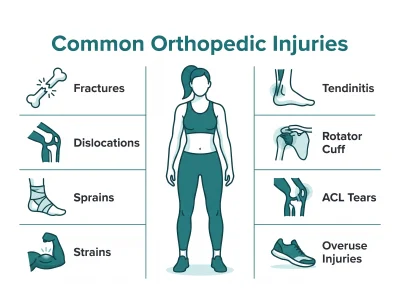
Orthopedic injuries come in many forms. The most common ones include:
- Fractures, or broken bones
- Dislocations, when the bones of a joint separate completely
- Sprains, stretched or torn ligaments
- Strains, stretched or torn muscles or tendons
- Tendinitis, inflammation of a tendon
- Bursitis, inflammation of the fluid-filled sacs that cushion joints
- Rotator cuff injuries, tennis elbow and runner’s knee
- ACL and meniscus tears
- Hamstring strains, shin splints and ankle sprains
- Achilles tendinitis
Sports Injuries
Sports injuries are the injuries that most commonly occur during sports or exercise, and they mainly affect the muscles, tendons, ligaments and bones. Anyone can have one, whether you play a team sport, run, lift or simply exercise to stay healthy. Most physical activity is safe for almost everyone, and its benefits far outweigh the risks, so the goal is to recover well and keep moving rather than to stop.
Sprains and Strains
A sprain is a stretched or torn ligament, the tissue that connects bones at a joint. A strain is a stretched or torn muscle or tendon, and tendons connect muscle to bone. Sprains usually come from falling, twisting or being hit, and the ankle and wrist are common sites. Strains come from twisting or pulling, can happen suddenly or develop over time, and often affect the back and the hamstring. Many strains happen during sports.
Sprain symptoms include pain, swelling, bruising and being unable to move your joint, and you may feel a pop or tear when it happens. Strain symptoms include pain, muscle spasms, swelling and trouble moving the muscle.
Tendon Injuries
Tendinitis is inflammation of a tendon, often from repeated motion. Common examples include the Achilles tendon at the back of the ankle, the rotator cuff in the shoulder and the tendons of the elbow that cause tennis elbow. Because tendon problems often build slowly, they are easy to dismiss at first. Pain during exercise that turns into a dull ache and swelling at rest is a sign to get checked.
Fractures and Dislocations
A fracture is a break in a bone. Common causes include falls, car accidents and sports injuries, and repeated stress can cause a stress fracture. Low bone density and osteoporosis weaken bones and make fractures much more likely. Symptoms include intense pain, a limb that looks out of place, swelling, bruising or tenderness and trouble moving the injured part. In a dislocation, the bones of a joint are pushed fully out of position, and it usually needs immediate medical treatment.
Causes and Risk Factors for Orthopedic Injuries
Most orthopedic injuries come from either a single event or from too much repeated load. Several things raise your risk of getting hurt in the first place.
Overuse, Training and Equipment
Risk factors for sports and exercise injuries include poor technique, overtraining, increasing intensity too quickly, running or jumping on hard surfaces and inadequate footwear or equipment. A previous injury, joint anatomy and poor flexibility also play a part. Giving your body time to adapt is one of the simplest ways to protect it.
Falls and Stress on the Bones
Falls are a common cause of broken bones, and repeated stress can cause a stress fracture even without a fall. Preventing falls, wearing protective equipment and treating low bone density all lower the risk, so it helps to look at your home, your footwear and your activity before an injury happens rather than after.
Bone Density and Medications
Weak bones break more easily, so low bone density matters at any age. Certain medications, including fluoroquinolone antibiotics, are also listed as a risk factor for injuries like these. If you take one and develop new tendon pain, tell your provider promptly rather than waiting.
Orthopedic Conditions We Treat
This page goes deeper into long-term joint problems we see often. It covers symptoms, diagnosis and treatment, along with how we approach care at Renew.
Joint Pain
Joint pain has many causes, from injury and overuse to arthritis. Our Joint Pain page covers the symptoms, how it is diagnosed and how it is treated.
Orthopedic Injury Treatment and Recovery
Treatment depends on the injury, how severe it is and your goals. Your provider will tell you what fits your situation.
How Orthopedic Injuries Are Diagnosed
A provider examines the injury and asks how it happened, then usually orders an x-ray or another imaging test for a suspected broken bone. Tell your provider what you were doing when the pain started, whether it came on suddenly or built up over weeks, which movements make it worse and what you have already tried. Those details often point to the cause before any test is ordered, and they help decide whether you need imaging, a referral or a plan you can start at home.
When to Get Immediate Care
Get medical care right away if you think you have broken a bone. Signs that call for prompt evaluation include sudden severe pain, extreme swelling or bruising, being unable to bear weight or move a joint normally, extreme weakness in a limb or a bone or joint that looks out of place. Most acute fractures need an immediate visit, and dislocations usually need immediate treatment.
Rest, Ice, Compression and Elevation
Many milder injuries can be treated at home with rest, ice, compression and elevation, often called R-I-C-E. For sprains and strains, initial care is resting the area, icing it, using a compression bandage or device and taking medicines, with exercise and physical therapy later.
Casts, Splints and Surgery
A cast or splint that keeps the bone still while it heals is the most common treatment for a fracture, and casting often lasts several weeks depending on the break and the bone. Some fractures need surgery to place plates, pins or screws. Severe injuries may also call for a brace or physical therapy.
Rehabilitation and Physical Therapy
Rehabilitation, which often includes exercise and therapy, is usually recommended before you return to the activity that caused the injury.
How to Prevent Orthopedic Injuries
You can lower your risk of a broken bone by getting enough calcium and vitamin D, doing regular weight-bearing activity, treating low bone density, using protective equipment and preventing falls. For sports injuries, use good technique, build up intensity gradually and wear proper footwear and equipment.

How We Care for Orthopedic Injuries at Renew
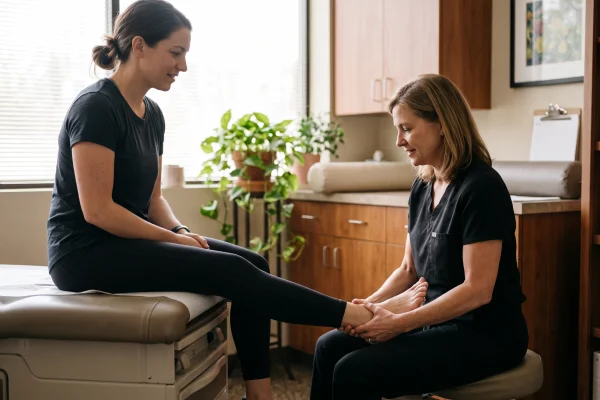
Care at Renew Integrative Health starts with your story: how the injury happened, what it feels like, what has helped and what has not. Your first visit includes an extensive history, including family history, a physical examination and a review of past testing and imaging.
At your visit we ask about the activities you do every day, your work, your training and what you have already tried, since the pattern of use often explains an overuse injury. From there, we build a plan around your injury and your goals, with follow-up visits to adjust it as you heal. We look at the whole picture, including nutrition, sleep and stress, and we work alongside your other clinicians, such as orthopedic specialists and physical therapists, so your care stays coordinated. Injuries that need a cast, surgery or emergency care are referred promptly.
How to Prepare for Your Appointment
Before your first visit, complete your medical history, diet log and current symptoms through our patient portal, along with the previous two years of medical testing. Bring any x-rays or imaging reports and a short note on when and how the injury happened. We offer in-person visits at our Newark, Delaware office and virtual consultations across the United States.
Orthopedic Injuries FAQs
What Are the Most Common Orthopedic Injuries?
Fractures, dislocations, sprains, strains, tendinitis and bursitis are among the most common, along with rotator cuff injuries, ACL tears, ankle sprains and hamstring strains.
What Is the Difference Between a Sprain and a Strain?
A sprain is a stretched or torn ligament, which connects bones at a joint. A strain is a stretched or torn muscle or tendon, and tendons connect muscle to bone.
What Are the Signs of a Broken Bone?
Intense pain, a limb that looks out of place, swelling, bruising or tenderness and trouble moving the injured part. Get medical care right away if you think you have broken a bone.
What Is an Overuse Injury?
An overuse injury develops gradually from the same motion repeated over and over. Pain during exercise that becomes a dull ache and swelling at rest is a common pattern.
Can I Treat a Sports Injury at Home?
Many injuries can be treated at home with rest, ice, compression and elevation. Severe pain, extreme swelling, being unable to bear weight or a joint that looks out of place need prompt medical care.
Where Can I Find Orthopedic Injury Care Near Me?
Looking for help with an injury near Newark, Delaware, or a virtual visit from anywhere in the United States? Our holistic medicine practitioner, Andrea Dean, CRNP, reviews your history, symptoms and testing and builds a plan around you.
Looking for care for an injury in Newark, Delaware, or a virtual visit from anywhere in the United States? Our nurse practitioner can review your injury, history and past testing with you. Book your consultation below.